
In an era dominated by flat-pack furniture, throwaway culture, and short-lived consumer goods, there is something deeply grounding about owning an item crafted by hand from a living tree.
In the coastal town of Jepara, woodworking isn’t just an industry or a job sector—it is a cultural heritage passed down through generations. But in today’s world, true artistry must go hand-in-hand with environmental responsibility.
Here is the journey of how a sustainably harvested tree becomes a piece of heritage outdoor furniture.
1. Responsible Sourcing: SVLK & Legal Timber
The lifecycle of ethical furniture begins long before a saw ever touches wood. Authentic Jepara manufacturers operate under strict compliance with Indonesia’s SVLK (Timber Legality Verification System) and global FSC standards.
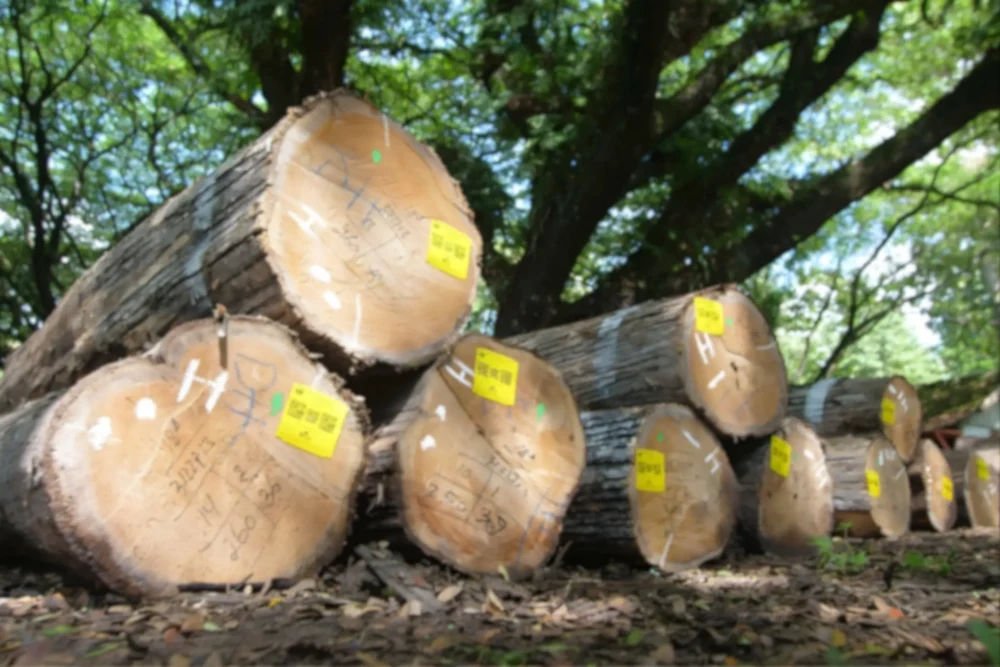
Every log is harvested from government-managed plantations (Perhutani) where mature trees are selectively logged and continuously replanted. This guarantees that buying your garden set actively supports sustainable forestry, rather than illegal deforestation.
2. The Human Touch vs. The Factory Line
Walk into a modern Jepara workshop, and you won’t hear just the hum of fully automated assembly robots. You will hear the rhythmic sound of hand-chisels and hand-sanding blocks.
While precision machinery cuts the rough shapes, the crucial details—such as hand-sanded smooth edges, hand-fitted mortise-and-tenon joints, and custom wood grain matching—are executed by senior artisans whose families have worked with teak for over a century.
3. Built to Endure Generations, Not Seasons
Sustainability isn’t just about how a product is made; it’s about how long it stays out of a landfill.
Cheap outdoor furniture is replaced every 2 to 3 years, creating thousands of tons of non-recyclable waste. A piece of properly constructed, Grade-A Jepara teak garden furniture carries a lifespan measured in decades. It is designed to be bought once, enjoyed for a lifetime, and eventually passed down to the next generation.